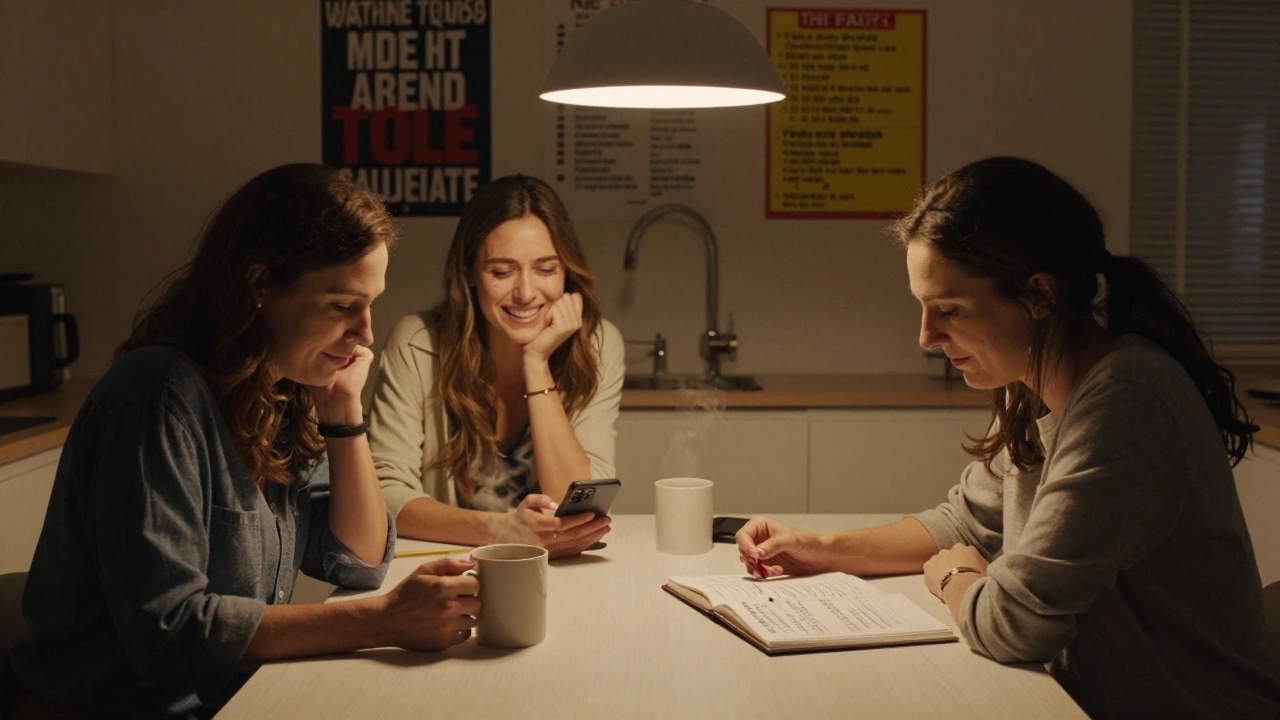
When I first started doing this work, I thought I’d be alone. Not just in the sense of working late nights or meeting strangers, but in the way no one would understand why I chose it-or how it changed me. I was wrong. The real surprise wasn’t the money, the clients, or even the stigma. It was the community. The women I work with, the ones who show up with coffee at 3 a.m., who text ‘you good?’ after a bad shift, who laugh until they cry over shared trauma and bad pickup lines-they’re my family. We don’t call each other sisters. We don’t need to. We just know.
There’s a whole world out there that doesn’t see us as people. They see ads for girls escort in london, or scroll past photos of sexy london girls escort and assume they know our stories. They don’t. They don’t know that most of us aren’t there because we were forced, or because we had no options. Many of us are there because we wanted control-over our time, our bodies, our income. And yes, some of us are drawn to the way the work lets us move between worlds: the quiet confidence of a client who treats you like a person, the way a night shift can feel like a dance between intimacy and boundaries.
What No One Tells You About the Job
The myth is that sex work is all glamour or all danger. The truth? It’s mostly paperwork. Scheduling apps, safety check-ins, bank transfers flagged by fraud algorithms, insurance forms that don’t recognize our line of work. I keep a spreadsheet of every client I’ve ever worked with-name, date, notes on preferences, whether they left a tip, if they asked for something that made me uncomfortable. I don’t do it because I’m paranoid. I do it because I’ve learned that the smallest detail can save your life.
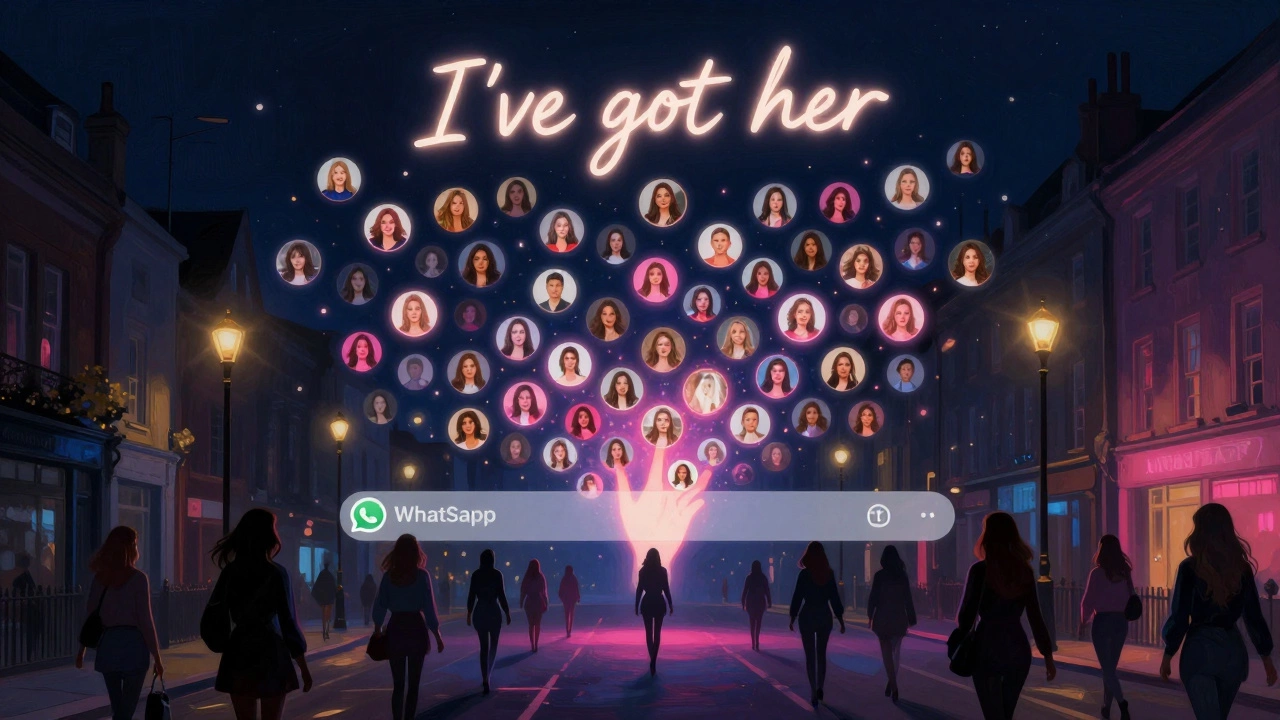
There’s a reason why so many of us use pseudonyms. Not because we’re ashamed. Because the law doesn’t protect us. If you report harassment, you risk being criminalized. If you get robbed, the police might ask why you were doing that job in the first place. So we build our own systems. We share lists. We warn each other. We’ve got a WhatsApp group with over 200 women across the UK, from Edinburgh to Brighton. Someone posts a photo of a guy who showed up drunk and aggressive in Manchester? Within ten minutes, three others confirm they’ve seen him before. That’s how we stay safe.
The Myth of the ‘Bad Client’
People assume that every client is either a monster or a saint. Neither is true. Most are just… ordinary. A teacher who needs to talk after grading papers. A nurse who works double shifts and hasn’t had a real hug in months. A man who brings his wife to our meetups because he wants her to understand why he doesn’t feel judged here. I’ve had clients cry. I’ve had clients thank me for listening. I’ve had clients send me books they thought I’d like.
That doesn’t mean it’s easy. Some nights, you have to turn someone away-not because they’re dangerous, but because you’re tired. Or because you’re grieving. Or because you just don’t feel like being someone’s emotional crutch for the night. And that’s okay. We’re allowed to say no. We’re allowed to change our minds. That’s part of the power we’ve fought for: autonomy.
How We Support Each Other
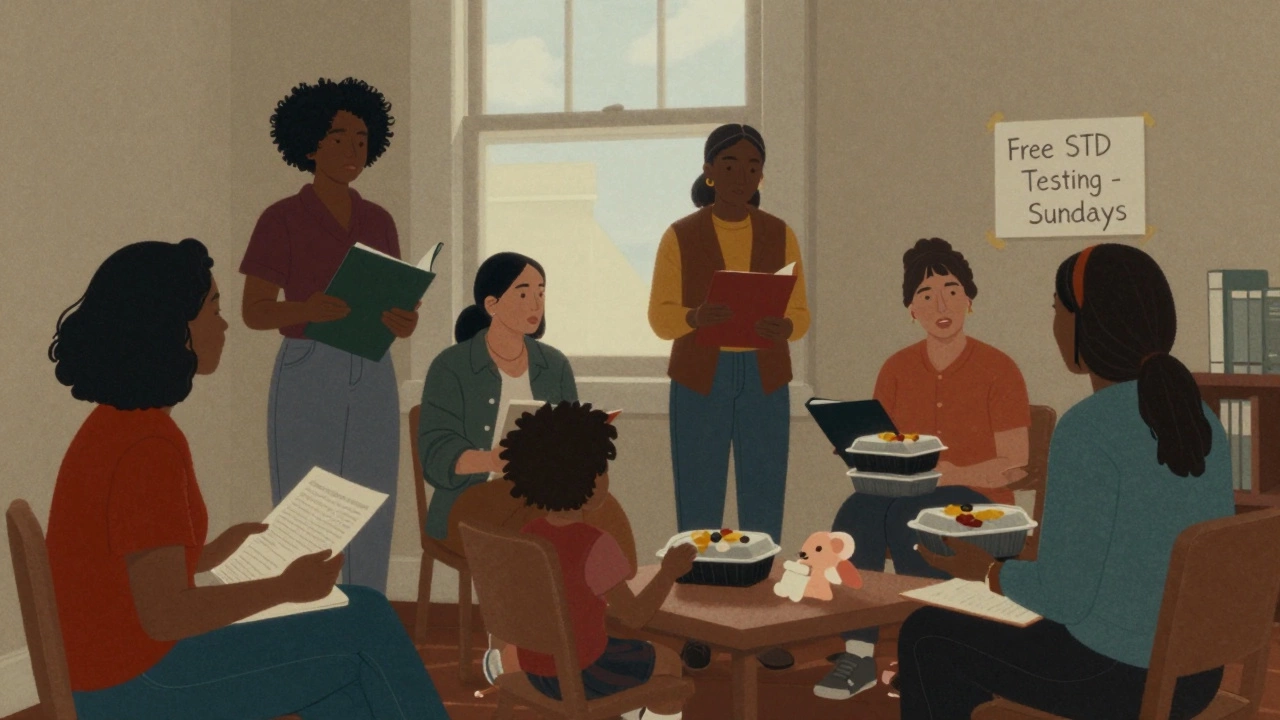
We don’t have union reps or HR departments. But we have potlucks. We have therapy groups that meet in library back rooms. We have someone who runs free STD testing on Sundays. We have a woman who’s a licensed accountant and helps us file taxes without revealing our real names. We have a lawyer who takes cases pro bono when someone gets arrested for solicitation-even though the charges are usually dropped.
There’s a group in Bristol that started a childcare co-op. If you’re working late and your kid has a fever, someone else picks them up from school. No questions asked. No judgment. Just, ‘I’ve got her.’ That’s the kind of support you don’t get from government programs or social services. You get it because we’ve seen each other at our worst-and still showed up.
The Stigma That Follows You Home
It’s not the job that breaks you. It’s the silence. The way your mom stops asking about your weekends. The way your cousin whispers, ‘I heard you’re doing that,’ like it’s a disease. The way your landlord looks at you differently after you’ve been on the news for being ‘arrested in a sting operation’-even if you were never charged.
I used to lie about what I did. I’d say I was a ‘freelance consultant’ or ‘event coordinator.’ But lying got exhausting. So now I say it plainly: ‘I’m a sex worker.’ And then I wait. Sometimes they look away. Sometimes they ask, ‘Why?’ And that’s when I tell them about the woman who paid for my sister’s surgery. About the time I saved enough to move out of my abusive partner’s apartment. About how I finally bought my own car-with cash, no loans, no debt.
Most people don’t know that sex workers are among the most financially literate people you’ll meet. We budget. We save. We invest. We don’t have pensions, so we build our own safety nets. We know compound interest better than most bankers.
What the Media Gets Wrong
News stories love to paint us as victims or villains. Rarely do they show us as people who choose this work and thrive in it. They’ll show footage of a raid on a massage parlor and call it ‘human trafficking.’ But they never talk about the women who ran those places, who hired other women, who paid them fairly, who offered mental health days.
There’s a reason why the term ‘euro escort london’ keeps popping up in search results. It’s not because we’re all from Europe. It’s because European sex workers have been organizing longer. They’ve won legal recognition in places like Germany and the Netherlands. They’ve built cooperatives. They’ve fought for decriminalization. And now, we’re learning from them. We’re not waiting for permission to be treated like humans. We’re building it ourselves.
Why This Matters Beyond the Job
Sex work is not a niche issue. It’s a test of how we define dignity, autonomy, and safety. If we criminalize people for selling sex but let landlords charge rent hikes or employers pay poverty wages, we’re not protecting anyone-we’re just choosing who gets to suffer quietly.
The women I work with are teachers, artists, students, mothers, engineers. We’re not exceptions. We’re evidence. Evidence that when people are given control over their labor, they build better lives. Not because they’re saints. But because they’re human.
So when you see an ad for euro escort london, don’t assume you know who’s behind it. Don’t reduce a person to a keyword. Ask instead: What kind of world do we live in where someone has to hide their truth to survive? And what would it take for us to stop punishing people for choosing to take care of themselves?